
High Specific Heat Capacity
Water absorbs a lot of heat before changing temperature, regulating climates and maintaining stable environments. This is crucial for Earth's thermal balance.
Thermal Regulation
What if the very substance you rely on every day is capable of surprising behaviors that challenge your understanding? Water, often taken for granted, is not just essential for hydration but also a marvel of science, filled with unique properties that shape our lives and ecosystems.
Water, a seemingly simple substance, exhibits several unique properties due to its molecular structure and hydrogen bonding. Below, we highlight some key anomalies and their effects.
Water absorbs a lot of heat before changing temperature, regulating climates and maintaining stable environments. This is crucial for Earth's thermal balance.
Water is most dense at 4°C, meaning ice (less dense) floats. This insulates aquatic life, preventing bodies of water from freezing solid.
Hot water can freeze faster than cold water under specific conditions, influenced by factors like evaporation and hydrogen bond behavior.
Weak hydrogen bonds create cohesion, leading to high boiling points and surface tension, allowing insects to walk on water and supporting plant life.
Water is not just a simple liquid; it's a remarkable substance with unique characteristics that can surprise even the most curious minds. At Getting Hydrated HQ, I often emphasize how vital water is for our well-being, but its intriguing properties go beyond hydration. Let’s dive into the science behind water and discover what makes it so peculiar!
Have you ever wondered why ice floats on water? Or why hot water can freeze faster than cold? These anomalies are all rooted in water's distinct physical and chemical properties. Understanding these concepts not only enriches our knowledge but also enhances our appreciation for this essential element.
Water has some fascinating properties that set it apart from other liquids. Here are a few notable aspects:
These properties showcase why water is essential not just for hydration, but also for sustaining life on Earth. Isn't it fascinating how something we often take for granted can have such complex behaviors?
Density in water leads to some pretty surprising effects. For instance, because ice is less dense than liquid water, it floats. This unique property is vital for aquatic life, as it insulates the water below during cold weather, creating a habitat for fish and other organisms. Without this, many aquatic species would struggle to survive!
Furthermore, the density of water varies with temperature, which influences ocean currents and weather patterns. By understanding these dynamics, we can appreciate the delicate balance that water maintains in our ecosystems.
Have you ever heard of the Mpemba effect? It's the phenomenon where hot water can freeze faster than cold water under certain conditions. This counterintuitive concept has puzzled scientists for years! Factors such as evaporation and the behavior of hydrogen bonds play a part in this effect, which showcases the whimsical nature of water. For a deeper understanding of such unusual states of matter, you can explore resources like CERN's insights into the quantum world.
Next time you're making ice cubes, just remember that the warm water might surprise you! Such quirks make water endlessly intriguing—just another reason why staying hydrated is so important!
The uniqueness of water can largely be attributed to hydrogen bonding. These bonds are relatively weak, yet they create a network that gives water its distinctive characteristics. Let’s explore these foundational concepts further.
Hydrogen bonds are what keep water molecules attracted to one another, contributing to its high boiling point and cohesion properties. This bonding is critical for processes like transpiration in plants and the thermal regulation of our bodies. Understanding this helps us see how crucial hydration is for our health!
Without these bonds, water wouldn’t behave as it does, and our ecosystems would look completely different. So, the next time you sip your water, think about the tiny bonds at play, making hydration possible!
Surface tension is another quirky aspect of water. This property allows small objects, like water striders, to walk on its surface. It plays a significant role in various ecological processes, such as the formation of droplets and the movement of nutrients in water bodies. Surface tension is especially important for tiny organisms, aiding them in their survival. The movement of water and its interaction with wind, for instance, can further illustrate these complexities, as explained by the USGS Water Science School.
By fostering a deeper understanding of these properties, we at Getting Hydrated HQ can encourage everyone to appreciate the science behind water. It’s more than just a thirst quencher; it’s a vital component of life!
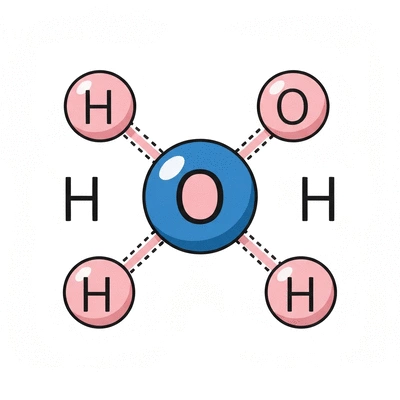
The molecular structure of water contributes to its fascinating properties. Each water molecule consists of two hydrogen atoms and one oxygen atom, creating a bent shape that leads to its unique behaviors. This arrangement facilitates the formation of hydrogen bonds, impacting everything from water's boiling point to its solvent capabilities. Even in extraterrestrial contexts, the behavior of water, such as the presence of ice on the Moon, reveals its universal significance, as detailed by ESA's observations of lunar "strange wonders".
As we explore the molecular intricacies of water, we can better understand how to harness its benefits for our health. By appreciating these complexities, we can cultivate a healthier relationship with water and prioritize our hydration needs.
Did you know? Staying hydrated is not just about drinking water; it's also about understanding the role of electrolytes. Incorporate foods rich in electrolytes, such as bananas and spinach, to enhance your hydration levels effectively!
As we stand on the brink of significant advancements in water science, it's essential to explore how these changes can shape our future. With the growing emphasis on sustainable practices, understanding the factors that influence water quality is more crucial than ever. We all play a part, and being informed about the latest research can empower us to make better choices for our health and the environment.
In this section, we'll dive into predictive modeling, the impacts of climate change, and the intricate workings of the water cycle. Each of these elements provides a glimpse into the evolving landscape of water research, and together, they highlight the importance of active participation in our communities.
One of the most exciting developments in water science is the use of predictive modeling to forecast water availability and quality. By utilizing advanced algorithms and data analytics, researchers can create more accurate models that anticipate changes in water resources. This helps communities prepare for potential shortages or contamination issues.
At Getting Hydrated HQ, we emphasize the importance of community involvement in understanding these predictive models. By staying informed, you can help advocate for better water management practices in your own area!
As we grapple with the realities of climate change, it's vital to understand its effects on our water resources. Changes in weather patterns, increased evaporation rates, and shifting precipitation can create significant gaps in water supply and demand. These challenges can greatly affect our hydration habits and overall health.
By focusing on proactive measures, we can mitigate the effects of climate change on our water sources. At Getting Hydrated HQ, we believe that understanding these impacts is key to developing sustainable hydration practices!
The water cycle plays a crucial role in maintaining the balance of our ecosystems, and understanding its dynamics is vital for sustainable water management. Water moves through various phases—evaporation, condensation, and precipitation—that contribute to our hydration and the health of aquatic ecosystems.
When we appreciate the intricacies of the water cycle, we can better align our hydration habits with nature's rhythm. Let’s promote practices that support our water systems, ensuring a healthier future for everyone!
As we delve deeper into water science, it’s clear that understanding these concepts matters to each of us. The implications of ongoing research are far-reaching, affecting everything from our daily hydration choices to the health of our communities.
Engagement in local water initiatives can spark meaningful conversations and promote awareness about the importance of water quality. Together, we can foster a culture of conservation and ensure our water resources are protected for generations to come!
Here is a quick recap of the important points discussed in the article:
Jasmine L. Devine is a wellness enthusiast and hydration advocate dedicated to helping individuals unlock their full potential through optimal hydration practices. With a passion for health, she combines expert insights with practical strategies to empower readers to enhance their energy, cognitive clarity, and overall vitality, believing that understanding our hydration needs is key to a vibrant life.
At Getting Hydrated HQ, we are dedicated to guiding individuals toward optimal hydration for enhanced energy, clarity, and vitality. Our mission is to empower you to take charge of your wellness journey.
Your Hydration Experts