Common Water Fasting Protocols
Beginner 3-Day Fast
Detox & adjustment period.
Advanced 7-Day Fast
Deeper metabolic changes.
Expert 14+ Day Fasts
Approach with caution, medical supervision ideal.
Curious about how a simple practice can lead to profound changes in your body and mind? Water fasting, a method that involves consuming only water for a set period, has gained popularity for its potential health benefits. Let's dive into what you can learn from this article!
This visual summarizes common water fasting protocols and key differences when compared to intermittent fasting methods.
Water fasting is a practice that has gained significant attention in recent years, both for its potential health benefits and its simplicity. At its core, water fasting involves abstaining from all food and consuming only water for a designated period. This approach taps into the body’s natural ability to reset and rejuvenate itself, allowing many individuals to explore not just physical but also mental benefits. Have you ever wondered how this method actually works?
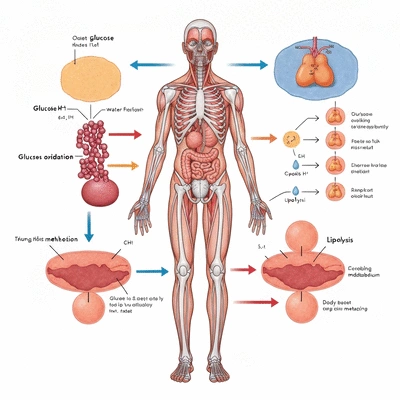
Water fasting is exactly what it sounds like: a fast where no food is consumed, and only water is ingested. During this period, your body undergoes several physiological changes that can lead to various health benefits. Essentially, when you stop eating, your body begins to utilize stored energy (glycogen) and eventually transitions to burning fat for fuel.
This process can help you achieve a state of ketosis, where your body becomes more efficient at burning fat. It’s fascinating to think about how our bodies can adapt in such profound ways! Many people report increased mental clarity and heightened focus during fasts. But let’s not forget the importance of staying hydrated throughout the process—this is where Getting Hydrated HQ comes in!
When considering water fasting, you might wonder about the different protocols available. Here are some common durations:
As you plan your fasting journey, it's crucial to choose a duration that aligns with your experience and health goals. Remember, our bodies are unique, so listening to what yours is telling you is vital!
Many people often confuse water fasting with intermittent fasting. While both focus on periods of fasting, they differ significantly in execution. Intermittent fasting involves cycling between eating and fasting periods, which can be easier for some to integrate into their daily lives.
Here’s a quick comparison:
Choosing between the two methods can depend on personal preference and health objectives. It’s a good idea to evaluate what fits best with your lifestyle! Remember, at Getting Hydrated HQ, we’re here to support you in your hydration journey, whether you’re fasting or not.
When embarking on a water fasting journey, consider incorporating mindful hydration techniques. Not only should you focus on drinking enough water, but also pay attention to the temperature and quality of the water you consume. Some people find that drinking warm or herbal teas can help ease the fasting process, providing comfort without breaking the fast. Remember, your hydration journey is personal—find what makes you feel your best!
A1: Water fasting is a method of abstaining from all food and consuming only water for a specific period, aiming to promote bodily detoxification and rejuvenation.
A2: Common durations include 3-day fasts for beginners and 7-day fasts for more advanced practitioners. Longer fasts (14+ days) should ideally be undertaken with medical supervision due to deeper metabolic changes.
A3: During water fasting, the body undergoes metabolic changes, shifting from burning glucose (sugar) to utilizing stored fat as its primary fuel source, a process known as ketosis.
A4: Potential benefits may include weight loss, improved blood pressure, enhanced mental clarity, and deep metabolic reset.
A5: Yes, potential risks include muscle loss, general side effects, and nutritional deficiencies. It’s crucial to weigh these risks against the benefits and consult with health professionals before starting.
A6: Water fasting involves complete abstention from food, consuming only water. Intermittent fasting, on the other hand, involves cycling between eating and fasting periods, allowing for regular meals during specific windows (e.g., 16:8 or 5:2).
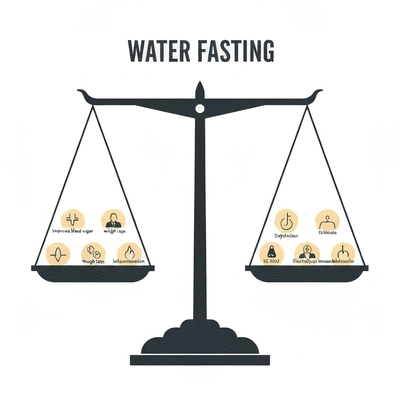
Water fasting can be a transformative practice for many individuals, but it’s crucial to weigh the benefits against the risks. Understanding how water fasting can affect your body and mind will empower you to make the right choices for your health journey. Here’s a quick recap of the key points to consider:
While the benefits can be enticing, it’s important to recognize the potential risks. Muscle loss, side effects, and nutritional deficiencies are serious considerations that shouldn’t be overlooked. Engaging in water fasting without proper knowledge or preparation may lead to adverse health effects.
When considering water fasting, I encourage you to take a balanced approach. The benefits outlined above can be appealing, but they should be weighed against the possible risks. Here are some points to ponder:
As someone who believes in the power of hydration, I want to emphasize that your journey towards wellness should be informed and personal. Whether you're looking to improve energy levels or simply explore a new health trend, make sure to stay educated on the path ahead.
Deciding if water fasting is right for you is a personal journey. It's essential to consider not just the potential benefits but also your individual health status, lifestyle, and preferences. Here are some questions to help guide your decision-making process:
Ultimately, I believe that informed choices lead to better outcomes. If you feel uncertain, consider starting with shorter fasting periods or consult with a nutritionist to explore the right approach for you. At Getting Hydrated HQ, we're committed to empowering you with the knowledge needed to enhance your hydration and wellness journey.
At Getting Hydrated HQ, community engagement is key to fostering a supportive environment. I invite you to share your experiences with water fasting, as your insights can inspire others on their journey!
Have you tried water fasting? What was your experience like? Sharing your story not only helps you reflect on your journey but can also encourage others to consider their own health practices. Let’s start a conversation and learn from each other!
You don’t have to go through this journey alone. There are plenty of resources available to support you, including online forums, local meetups, and health professionals. Connecting with others who are navigating similar paths can provide motivation and encouragement.
I’ve found that reading testimonials from others who have successfully engaged in water fasting can be powerful. Their stories often highlight real-life challenges and triumphs, making the journey feel more attainable. If you're interested, I recommend checking out local wellness groups or online communities where members actively share their fasting experiences.
Here is a quick recap of the important points discussed in the article:
Jasmine L. Devine is a wellness enthusiast and hydration advocate dedicated to helping individuals unlock their full potential through optimal hydration practices. With a passion for health, she combines expert insights with practical strategies to empower readers to enhance their energy, cognitive clarity, and overall vitality, believing that understanding our hydration needs is key to a vibrant life.
At Getting Hydrated HQ, we are dedicated to guiding individuals toward optimal hydration for enhanced energy, clarity, and vitality. Our mission is to empower you to take charge of your wellness journey.
Your Hydration Experts